
Why Child Behavior Skills Should Be Taught at a Very Young Age?

Updated: May 27
Small moments shape lifelong patterns. What we teach early becomes who they become.
Why Child Behavior Skills Should Be Taught at a Very Young Age?Why This Matters for Child Behavior
Why Child Behavior Skills Should Be Taught at a Very Young Age? Why This Matters for Child Behavior?
Child behavior starts developing from the earliest years of life.
We Start Early… Then We Stop
We talk to babies before they are even born. We sing, connect and imagine their future. But once they arrive, life gets busy. Phones take over. Schedules fill up. And without realizing it, we begin to miss the most important window of development. Because from the very beginning, children are not just growing. They are learning how to behave, communicate and understand the world.
The Brain Is Learning From Day One
From the moment a baby is born, their brain is actively organizing around:
sounds
facial expressions
tone of voice
movement
human interaction
touch
Every smile, every response, every moment of attention builds connection and meaning.
Babies don’t need “teaching” in the traditional sense. They learn through interaction.

Connection Builds Development
When we talk to babies, respond to them and engage with them, we are building:
communication skills
emotional awareness
social connection
early behavior patterns
When these moments are missed or replaced with distraction, something important is lost.
Practical Ways to Support Your Baby’s Development
Here are simple, everyday strategies parents can use:
Talk regularly
Narrate your actions: “Now we’re putting on your shoes.” “Look at the red ball.”
Use gestures and facial expressions
Smile, wave, point and use simple signs.
Respond to your baby’s cues
When your baby looks at you, smiles or reaches out respond warmly.
Set gentle, consistent boundaries
Use simple, predictable cues like “All done” “Stop” or “Gentle hands.”
Encourage safe social interaction
Allow your baby engage with family members and other children.
Behavior Is Learned — Not “Grown Out Of”
One of the most common things I hear is:
“He’s just a child.” “She will grow out of it.”
Behavior does not disappear with age. It develops with repetition.
When a behavior is learned one way, it becomes a pattern. And patterns become habits.
Changing a habit later is much harder than teaching it correctly from the start.
Think about something simple like a morning coffee routine.
It’s not just the coffee. It’s the smell, the timing, the feeling, the routine, the reward.
That’s how behavior works.
Children build patterns the same way: through repetition, emotion and reinforcement.
Behavior Is Communication — But It Must Be Shaped

Every behavior has a meaning.
But if a child learns that:
crying gets immediate results
refusing avoids tasks
screaming gets attention
…those behaviors become their communication tools.
Over time, this can grow into:
defiance
aggression
avoidance
difficulty with authority
struggles with friendships and school
And the older the child becomes, the stronger the pattern holds.
When We Avoid, Children Learn the Wrong Lesson
Many parents feel overwhelmed.
They may:
give in to avoid conflict
excuse behavior
remove expectations
protect the child from discomfort
But children are always learning.
They begin to understand:
“If I push enough, I will get my way.” “If I refuse, I can escape.”
Even with good intentions, this can unintentionally reinforce the behavior.
A Real Moment
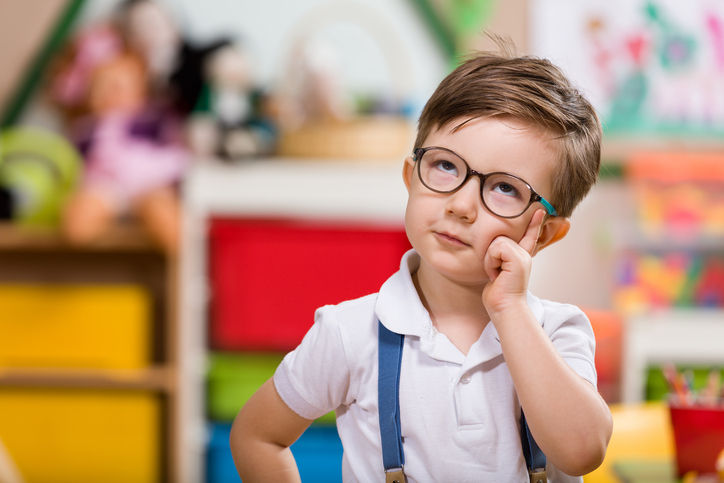
I once had a student say:
“Why should I behave nicely? I only get what I want when I don’t listen.”
That is learned behavior.
The Ripple Effect: Home, School and Beyond
When behavior is not shaped early, it doesn’t stay small.
It begins to affect:
learning in school
relationships with peers
connection with teachers
family dynamics
In classrooms, children who disrupt often receive the most attention, while those who follow rules receive less. Over time, other children notice. And negative behavior can begin to feel more powerful than positive behavior.
What Children Actually Need to Learn

Behavior skills are not about control. They are about preparing children for life.
Children need to learn how to:
understand “yes” and “no”
follow rules and routines
tolerate frustration
regulate their body and emotions
make decisions
understand boundaries
think about others
build friendships
develop flexibility
handle disappointment
build confidence and resilience
These are life skills; not optional skills.
Early Teaching Builds Strong Foundations

Children are like flowers.
When they are guided, supported and nurtured early, they grow strong.
When behavior is shaped with:
consistency
structure
clear expectations
meaningful consequences
positive reinforcement
…children develop:
emotional strength
self-control
confidence
independence
Behavior is built through:
patterns
repetition
responses
experiences
And the earlier we guide it, the easier it becomes.
Another Growing Concern: Movement Skills Are Declining
There is something else I am seeing more and more often.
Children today are struggling not only with behavior but also with movement.
Both gross motor skills (large body movements) and fine motor skills (small hand movements) are becoming weaker.
Children Are Moving Less and Being Carried More

Many young children are constantly:
in strollers
in wagons
in carriages
While this may make life easier and faster for families, it also reduces opportunities for children to:
walk
climb
balance
explore their environment
Movement is not just physical. It is developmental.
When children don’t move enough, they often struggle later with:
playground activities
gym participation
coordination
confidence in their body
I often see children who need constant support just to engage in basic physical play.
Fine Motor Skills Are Also Affected

Fine motor development is equally impacted.
Many children are exposed early to:
screens
tablets
phones
passive entertainment
from a very young age.
Fine motor skills are built through active use of the hands, not through tapping a screen.
Children need opportunities to built through hands-on activities such as:
drawing
coloring
tracing
building
manipulate objects
use their fingers in different ways
Without these experiences, we begin to see:
weak grip strength
difficulty writing
poor hand control
frustration with school tasks

Play Has Changed and Something Important Is Missing
Families today are busy. Time is limited.
But compared to the past, children are missing essential play experiences such as:
playing with balls
building with blocks or materials
drawing and creating
outdoor playing
getting dirty in nature
playing with sand, water, plants and natural textures
Play builds:
strength
coordination
sensory processing
problem-solving
Many children also experience sensory difficulties and without exposure to different textures and environments, these challenges can increase.
Play is not just play.
It is how children:
build strength
develop coordination
regulate their body
explore their senses
learn problem-solving
Why This Matters for Behavior

Movement, sensory experience and behavior are all connected.
When children:
don’t move enough
don’t explore
don’t use their hands
don’t regulate their body
…they often show:
frustration
low tolerance
difficulty focusing
emotional dysregulation
Sometimes what looks like “behavior problems” is actually a child lacking the physical and sensory foundation they need.
Eye Coordination Supports Thinking and Emotional Regulation
Movement and play don’t just strengthen the body how children think, feel and respond. Movement and play also support something very important: Eye coordination.
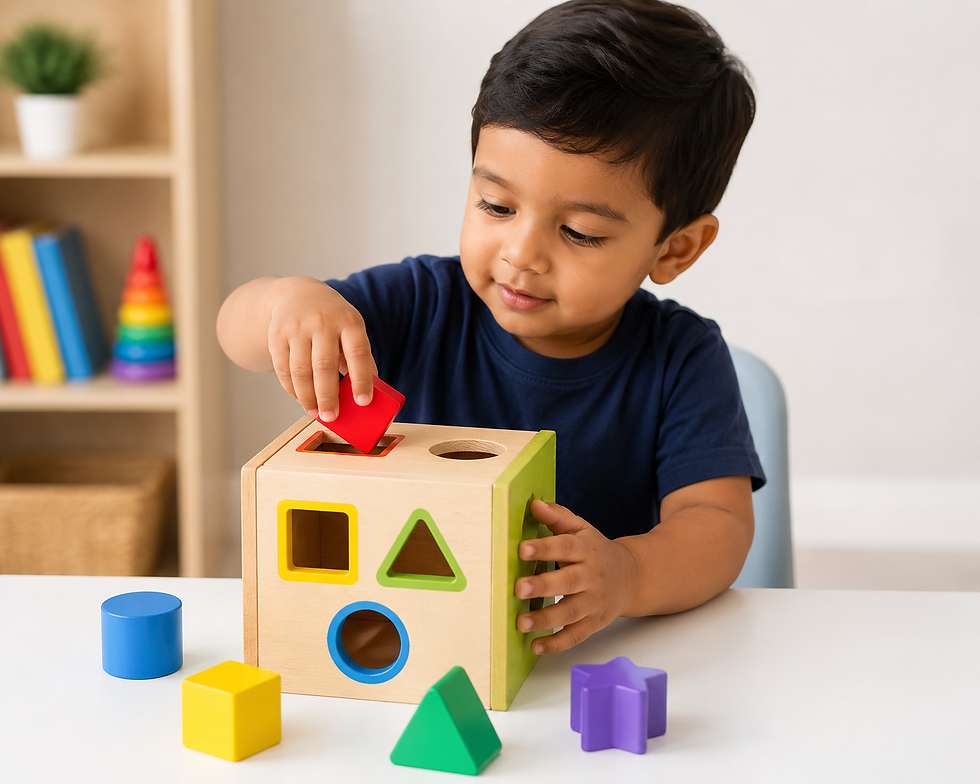
Activities that involve eye coordination (tracking, focusing, following objects) are very important for development.
These skills help children:
focus their attention
process information
coordinate their body with what they see
stay engaged in tasks
Eye coordination is closely connected to the brain. When children practice tracking and focusing, they are also strengthening:
thinking skills
attention and concentration
emotional regulation
For example, when a child can visually track a ball, follow movement or focus on an activity, they are also learning to:
stay present
control impulses
organize their responses
When these skills are weak, children may:
lose focus easily
feel overwhelmed
struggle to stay calm
have difficulty completing tasks
Simple Activities That Help
Eye coordination can be developed through simple, everyday play:
tracking a ball
throwing and catching
following objects with the eyes
drawing and tracing
building and stacking
visual tracking exercises
These activities support both learning and emotional balance.
When the eyes learn to focus and follow, the brain learns to think and regulate.

Bringing It Back to Basics
Children don’t need more devices.
They need:
time
space
movement
connection
hands-on experiences
Simple activities can make a powerful difference:
walking instead of riding
playing outside
building with real objects
drawing and creating
exploring nature
These are not extras. These are essentials.
Every Child Can Learn
Some children may need additional support, especially those with autism or developmental differences.
Others simply need structure, consistency and guidance.
The truth is the same for all children:
Behavior can be shaped
Skills can be taught
Patterns can change
And the earlier we start, the easier it becomes.
The First Years Matter Most: Building the Foundation for Life
The early years of a child’s life are the most important.
The first six years are where a child’s character, behavior and resilience begin to form.
This is where children learn the basic life skills that come from home:
how to follow directions
how to use manners
how to regulate emotions
how to interact with others
how to participate in a group setting
These are not small skills. They are the foundation for everything that comes next.
A Simple Way to Understand Child Development
Ages 0–6: Foundation Years
This is where children build:
behavior patterns
emotional regulation
communication skills
early social interaction
basic independence
This stage shapes character and resilience
Ages 6–10: Learning to Learn
At this stage, children begin to:
build academic foundations
follow routines in school
develop attention and focus
strengthen basic learning skills
This stage builds the ability to learn
Ages 10–14: Growth & Responsibility
Children begin to:
develop study habits
gain deeper academic knowledge
build stronger social skills
form friendships and relationships
prepare for transitions (like elementary to high school)
This stage builds independence and responsibility

Teen Years: Applying Life Skills
By the time a child reaches the teenage years, they should be able to:
manage school responsibilities
make decisions (right and wrong)
balance activities and responsibilities
maintain friendships
handle daily life with more independence
At this stage, parents and teachers should be guiding not constantly managing.
This stage is about applying what was learned earlier
Why Early Years Cannot Be Skipped
If the early foundation is not strong, each stage becomes harder.
Children may struggle with:
behavior
learning
relationships
independence
And instead of building forward, we spend time going back to reteach what was missed.
A Gentle Reminder
We live in a world of cause and effect.
Children deserve to understand that:
actions have outcomes
choices matter
behavior has meaning
A Simple Truth: What is built early becomes easier later. What is missed early becomes harder later.
Behavior Is More Than Behavior
Everything is connected. When one area is weak, behavior shows it.
Behavior does not start on its own. It follows a pattern.
Body → Sensory → Thinking → Feelings → Behavior → back to Body
This is a continuous cycle.
What This Means
A child’s body and movement affects how they take in information
Their sensory affects how they think
Their thinking influences their feelings
Their feelings drive behavior
And behavior feeds back into the body
Everything is connected.
How to Use This With Your Child
Instead of focusing only on the behavior, begin by asking:
What was happening in the body? (tired, restless, overwhelmed)
What sensory input was present? (noise, touch, environment)
What might they be thinking?
What are they feeling?
Then… what behavior showed up?
This helps you move from reacting → to understanding.
Not sure what your child’s behavior means or where to start?
Start with observation. Start by noticing patterns.
Behavior doesn’t happen in isolation. It is connected to movement, sensory experience, thinking and emotions.
Understanding these patterns is the first step toward meaningful change.
Use the chart to begin observing:
What is happening before the behavior?
What is your child feeling or experiencing?
How is their body responding?
What happens after?
Then book a
And Bring It to Your Session
Bring your observations, your questions and your concerns.
Together, we will:
understand what’s happening
identify patterns
connect behavior to underlying factors
build a clear, practical plan forward
Because small steps, understanding and support can lead to meaningful and lasting change.
You may also wish to read:


Comments