

Understanding the Importance of Mental Health in Everyday Life

Understanding the Importance of Mental Health in Everyday Life
Understanding the Importance of Mental Health in Everyday Life. Mental health affects every part of our lives, from how we think and feel to how we handle stress and relate to others. Mental health affects how we think, feel, connect and move through everyday life. Yet many people still struggle in silence. Anxiety, stress, burnout, loneliness, panic and emotional overwhelm can impact anyone, regardless of age, background or lifestyle.
Talking about mental health helps reduce stigma and reminds us that seeking support is not weakness. It is self-awareness and courage. Healing often begins when we feel safe enough to acknowledge what we are experiencing and recognize that we do not have to carry everything alone.
Mental wellness is not about being happy all the time. It is about learning how to regulate emotions, cope with challenges, build healthy relationships and reconnect with ourselves in meaningful ways. Through reflection, support, self-care and practical tools, individuals can begin creating balance, resilience and emotional well-being. Despite its significance, many people overlook mental health until challenges arise.
What Mental Health Means

Mental health refers to our emotional, psychological and social well-being. It shapes how we think, feel and act. Good mental health helps us cope with life’s stresses, work productively and contribute to our communities. It is not just the absence of mental illness but a state of well-being where individuals realize their potential and can handle normal life challenges.
Mental health is part of being human and talking about it can be one of the most supportive things we do for ourselves and each other.
At Lavardi Sanctuary, I believe emotional wellness grows through small, practical steps: noticing what you feel, naming it without judgment and building skills that help you move through hard moments with more steadiness.
Why it can feel hard to talk about

For too long, society has treated mental health struggles as weakness or failure. The truth is simple: mental health is health. Stigma comes from old beliefs, fear of the unseen, stereotypes and lack of education. Many people were taught to ‘push through’ or keep things private. Add stress, burnout or past experiences and it can feel safer to stay silent. But silence can also make us feel alone. But none of this reflects reality. Anxiety, depression, trauma, ADHD and other challenges are part of the human experience. We don’t shame someone for breaking a bone. Why should we shame someone for feeling broken inside?
The more we talk, learn and listen, the more we replace judgment with compassion. Together, we can create a world where seeking support is seen as strength.
Factors that Influence Mental Health

Mental health doesn’t “just happen” the way we catch a cold. It is shaped by a mix of biological, psychological and social factors. Everyone has mental health, just like physical health and it can be strong or it can struggle depending on life circumstances.
1. Biological Factors
Genetics – some people are born with a higher risk for conditions like depression, anxiety or bipolar disorder.
Brain Chemistry – imbalances in neurotransmitters such as serotonin or dopamine can affect mood and thinking.
Physical Health – illness, chronic pain, injuries or lack of sleep directly impact wellbeing.
2. Psychological Factors
Personality Traits – sensitivity, resilience or coping styles shape how someone handles stress.
Past Experiences – trauma, neglect or unresolved grief can leave lasting imprints.
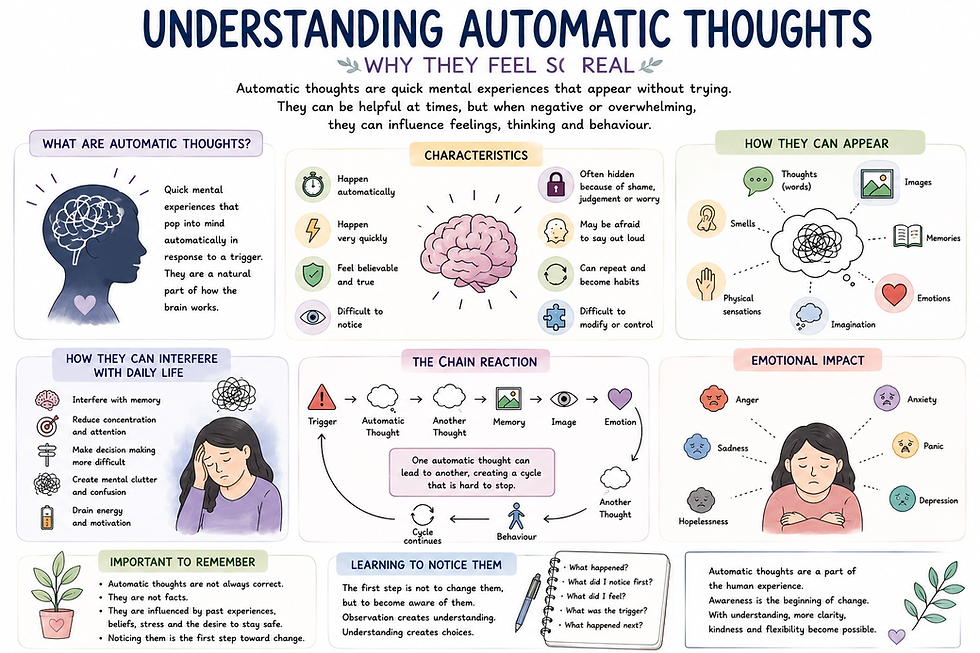
Thinking Patterns – negative self-talk, perfectionism or constant worry can wear down mental health.
3. Social & Environmental Factors
Family & Relationships – supportive connections help, toxic ones harm.
Society & Stigma – discrimination, racism, bullying, loss of cultural roots or even loss of meaning/faith can lead to despair.
Life Pressures – poverty, financial strain, housing instability, work stress, isolation or major life changes can all trigger struggles.
Systems & Access – lack of affordable care, long waitlists or unsupportive workplaces and schools can worsen problems.
4. Media & Technology Factors
Unrealistic Comparison – social media highlights “perfect lives,” fueling low self-esteem and anxiety.
Exposure to Trauma – constant news about violence, disasters or abuse can create fear, stress or even secondary trauma.
Cyberbullying & Harassment – online hate or exclusion harms self-worth and increases depression risk.
Overuse/Addiction – too much screen time disrupts sleep, relationships and can increase loneliness.
Common Mental Health Challenges
Many people face mental health challenges at some point.
1. Stress & Pressure
Constant work or academic stress without recovery time
Financial struggles or job insecurity
High expectations from self or others
2. Trauma & Abuse
Physical, emotional, or sexual abuse
Neglect or lack of support during childhood
Exposure to violence or unsafe environments
3. Isolation & Lack of Support
Loneliness and lack of meaningful relationships
Feeling misunderstood or excluded
Not having safe spaces to share emotions
4. Negative Thinking Patterns
Self-criticism, low self-esteem or perfectionism
Believing you are “not enough” or hopeless
Constant comparison to others
5. Unhealthy Lifestyle
Poor sleep, irregular routine
Lack of movement or exercise
Unbalanced diet, too much caffeine, alcohol or drugs
6. Chronic Problems
Long-term illness or pain
Living in poverty or unsafe housing
Discrimination or stigma (race, gender, neurodiversity, etc.)
7. Lack of Coping Tools
Not knowing how to regulate emotions
Avoiding problems instead of addressing them
No access to therapy, coaching, or resources
Understanding these challenges helps reduce stigma and encourages seeking support when needed.
How Mental Health Impacts Daily Life

Mental health influences many aspects of everyday living:
Decision-making and focus
When mental health is strong, concentration and decision-making improve. Stress or anxiety can cloud judgment and reduce productivity.
Relationships
Healthy mental states help us communicate clearly and empathize with others. Poor mental health can lead to misunderstandings and isolation.
Physical health
Mental health affects physical well-being. Chronic stress or depression can weaken the immune system and increase the risk of illnesses.
Work and school performance
Mental wellness supports motivation and creativity. Struggles with mental health may cause absenteeism or reduced performance.
Practical Ways to Support Mental Health
Supporting mental health involves daily habits and lifestyle choices. Here are some effective strategies:
Maintain a balanced routine
Regular sleep, nutritious meals, and physical activity create a foundation for mental wellness.
Stay connected
Building and nurturing relationships with friends, family, or community groups provides emotional support.
Practice mindfulness
Techniques like meditation, deep breathing, or journaling help manage stress and increase self-awareness.
Set realistic goals
Breaking tasks into manageable steps reduces overwhelm and builds confidence.
Seek professional help when needed
Therapists, counselors, or support groups offer guidance and treatment for mental health concerns.
The Role of Workplaces and Schools
Organizations play a key role in mental health by creating supportive environments. This includes:
Encouraging open conversations about mental health
Providing access to counseling or wellness programs
Promoting work-life balance
Training leaders to recognize and respond to mental health issues
Schools can teach emotional skills and provide resources to help students manage stress and build resilience.
How Society Can Improve Mental Health Awareness
Raising awareness reduces stigma and promotes early intervention. Society can improve mental health by:
Educating the public about mental health facts and myths
Sharing stories that normalize mental health struggles
Supporting policies that increase access to mental health services
Encouraging inclusive and respectful language around mental health
Personal Stories Highlighting Mental Health Importance
Consider the story of Sarah, a teacher who struggled with anxiety but hesitated to seek help. After joining a support group and practicing mindfulness, she noticed improved focus and better relationships with students and colleagues. Her experience shows how addressing mental health can transform daily life.
Mental Health in Everyday Life
Building Strength and Compassion
Mental strength can be built through support, healthy coping, therapy, coaching and community care. Mental health is not a weakness to hide, but a part of being human that deserves attention and compassion. By learning, listening and speaking openly, we can all help break stigma.
Small actions matter:
Checking in with a friend
Choosing kind, supportive words
Reaching out for help when needed
Supportive relationships, healthy routines, safe environments and positive coping skills protect mental health. These simple acts create ripples of change.
The real harm is not mental health itself, but the stigma society places on it. Stigma silences people and prevents them from seeking the help they deserve. One day it could be you, your sister, brother, mother or father. That’s why breaking stigma matters for everyone.
Recognizing and caring for mental health daily can improve overall well-being, productivity, and relationships.
A few gentle starting points
Check in with your body: Where do you feel tension, heaviness, or restlessness?
Name one feeling (even if it’s broad): stressed, overwhelmed, sad, anxious, numb.
Choose one small support: a short walk, a glass of water, a message to someone safe, or a few slow breaths.
If you’re supporting someone else: listen first, avoid fixing, and ask what would feel helpful right now.
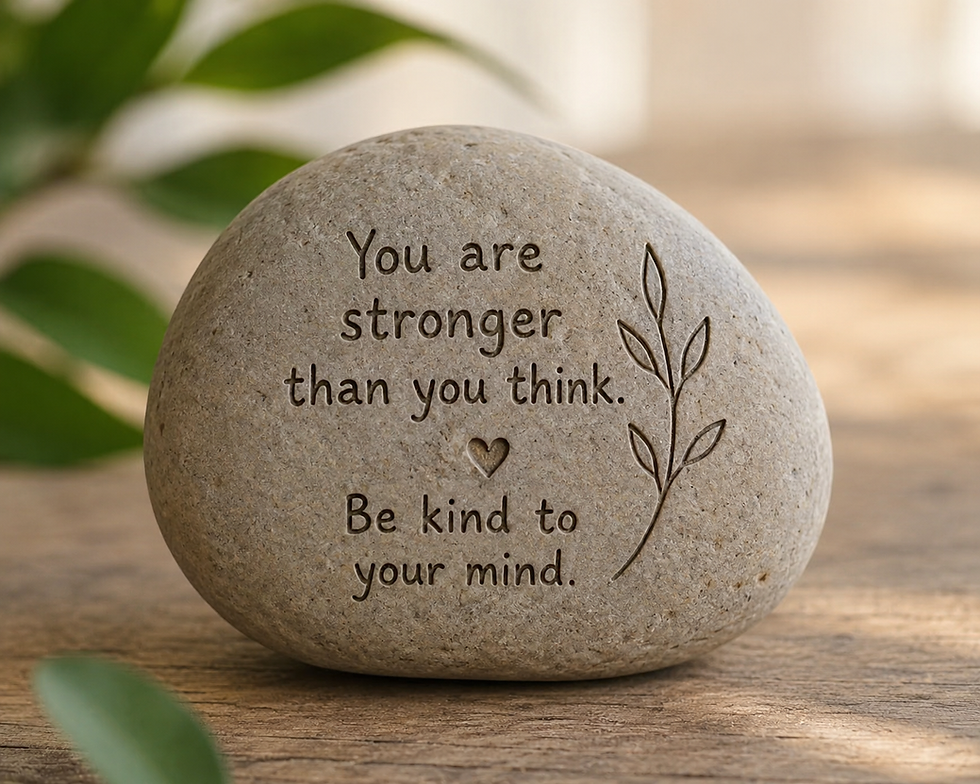
This post explored why mental health matters, how it influences daily life and practical ways to support emotional well-being through awareness, connection and self-care.
Remember, seeking support is a sign of strength; not weakness. You do not have to navigate difficult moments alone.
If you’re in immediate danger or thinking about harming yourself, please call 911 (Canada) or go to your nearest emergency room. You can also call or text 988 in Canada for free 24/7 mental health crisis support.
You may also find this helpful:
If you are looking for support or would like to schedule a consultation, feel free to reach out here.
With care, xo Livia 🌸


Comments